
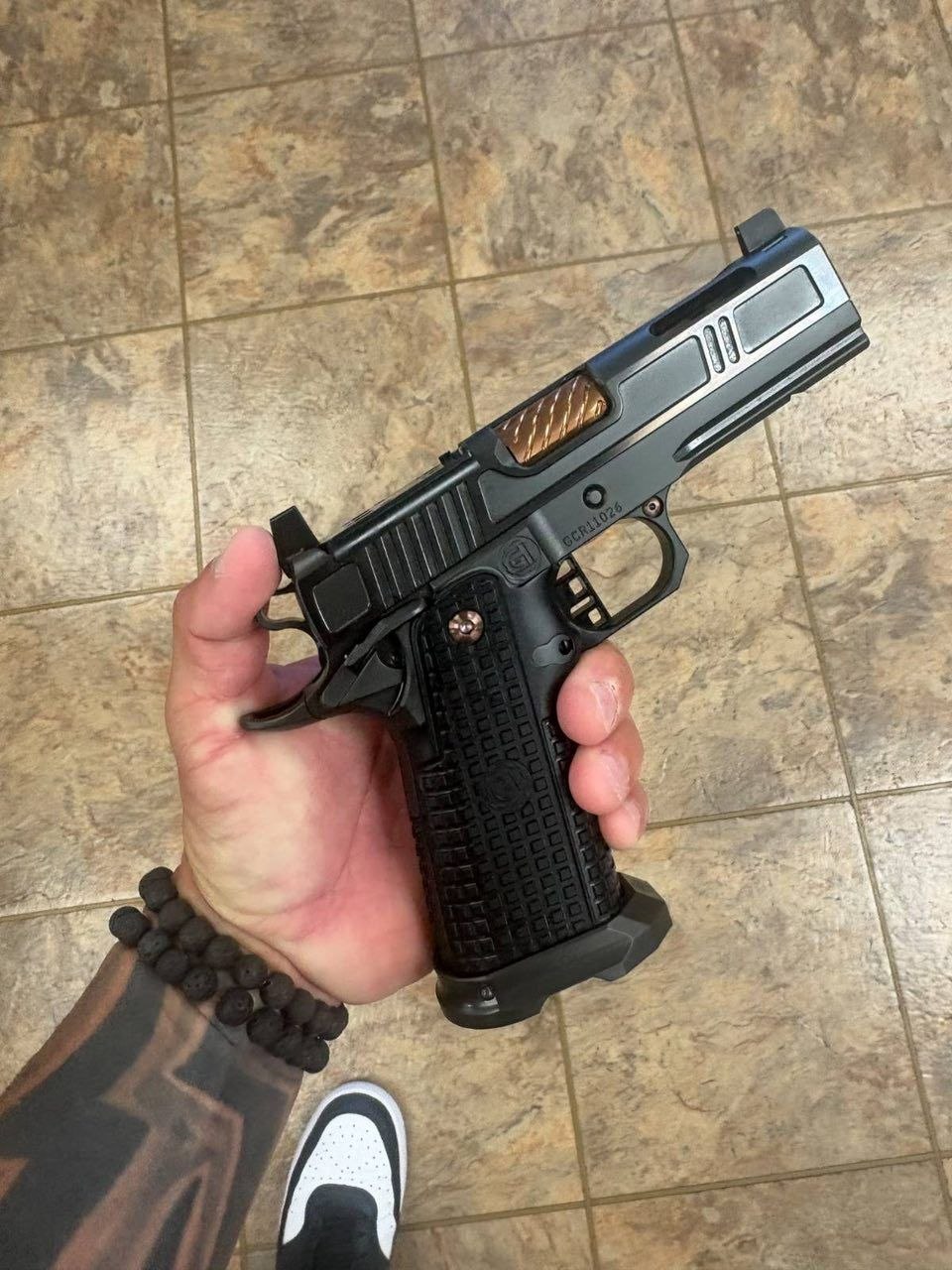


Guncrafter Industries 9mm Double-Stack Ported 2011-Style Pistol: Technical Overview
Introduction
guncrafter industries 9mm double stack ported 2011 is associated with custom and specialized 1911-pattern firearms and components. A 9 mm double-stack ported configuration combines several characteristics that distinguish it from a conventional single-stack 1911: a double-stack magazine architecture, 9 mm chambering, and a ported barrel or slide arrangement.
Because custom firearms can be configured with different components, the exact specification of an individual Guncrafter Industries pistol should be established from the applicable documentation. A model name or general description does not necessarily establish its precise barrel length, unloaded weight, magazine capacity, finish, sight configuration, or other dimensions.
The term “2011-style” is also best treated as a platform description rather than an indication that every component follows an identical specification. Modern double-stack 1911-derived pistols can differ considerably in frame construction, grip design, controls, slide dimensions, and component interfaces.
Accordingly, this overview focuses on the general characteristics associated with the described configuration while distinguishing documented features from assumptions.
Double-Stack Configuration
The double-stack arrangement is one of the principal differences between this type of pistol and a traditional single-stack 1911. A double-stack magazine places cartridges in a wider magazine body, which generally requires a corresponding change in the grip and magazine-well architecture.
This creates a distinctive profile. The grip is typically wider than that of a conventional single-stack design, while the additional internal space accommodates the double-stack magazine arrangement.
However, magazine capacity should not be inferred solely from the term “double-stack.” Capacity varies according to magazine design, configuration, jurisdiction, and manufacturer specifications. Therefore, a product description should provide an exact capacity only when it has been verified for the particular firearm and magazine.
The grip itself can also vary considerably. Different materials, textures, shapes, and construction methods can produce noticeably different configurations even when the underlying platform remains similar.
9 mm Chambering
The described configuration uses the 9 mm cartridge. The caliber designation should be documented separately from the platform designation because the same general firearm architecture can be configured for different cartridges.
A 9 mm chambering places the firearm within one of the most widely used centerfire pistol-cartridge categories. Nevertheless, ammunition compatibility should always be determined from the manufacturer’s specifications and markings on the firearm.
A technical product description should avoid making universal claims about ammunition performance. Different ammunition loads can produce different operating characteristics, and the suitability of a particular cartridge depends on the manufacturer’s specifications and applicable safety guidance.

guncrafter industries 9mm double stack ported 2011
Ported Barrel Configuration
Porting is another defining characteristic of the described configuration. A ported barrel incorporates openings that allow some combustion gases to exit through locations other than the muzzle.
The exact arrangement can vary substantially. Port dimensions, location, number, and relationship to the slide all depend on the specific design.
For that reason, a product description should not assume that every ported 2011-style pistol behaves in exactly the same way. The presence of ports is a physical characteristic, while any resulting change in operating behavior requires appropriate testing.
Porting can also influence maintenance considerations. Areas around the ports can be exposed to combustion gases and residue, so inspection and cleaning should follow the manufacturer’s instructions.
Additionally, the direction of escaping gases and particles makes it particularly important to follow the safety information provided for the specific configuration.
2011-Style Architecture
The 2011 designation is commonly used for modern double-stack descendants of the 1911 design. These firearms retain many recognizable elements of the traditional platform while using a wider magazine and grip arrangement.
However, individual manufacturers have developed different approaches to frame construction, grip modules, controls, and component interfaces. Therefore, the term should not be interpreted as a complete technical specification.
A Guncrafter Industries configuration may also incorporate components or machining features that distinguish it from other 2011-style products. Those characteristics should be documented individually.
This distinction is useful because two pistols can share a broad platform description while differing substantially in dimensions, materials, finish, sights, controls, and other components.
guncrafter industries 9mm double stack ported 2011
Frame and Grip Construction
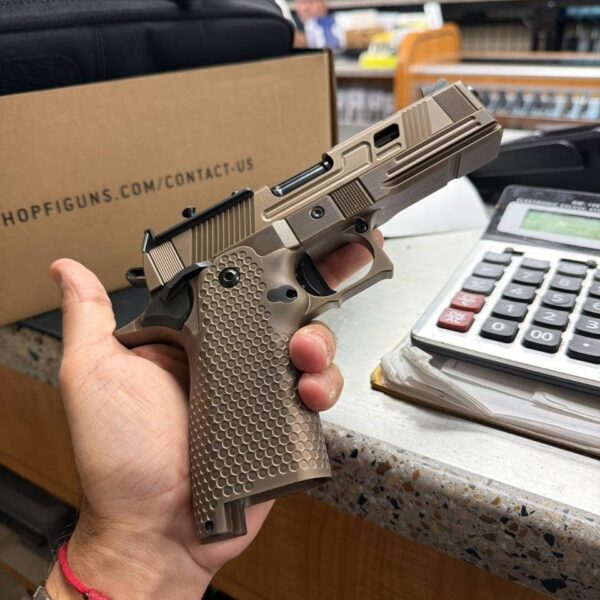
The frame and grip provide the structural foundation and primary hand interface of a double-stack pistol. Their construction can therefore have an important influence on the physical characteristics of the completed firearm.
Depending on the configuration, a firearm can use different materials and grip arrangements. The exact material should be verified rather than inferred from appearance.
Grip texture is similarly configuration-dependent. A textured surface can be described objectively, but claims about universally improved handling remain subjective.
Hand size and individual preference also influence ergonomic impressions. Consequently, a technical description should focus on the measurable or observable characteristics rather than declaring one configuration superior for every user.
guncrafter industries 9mm double stack ported 2011 guncrafter industries 9mm double stack ported 2011 guncrafter industries 9mm double stack ported 2011 guncrafter industries 9mm double stack ported 2011 guncrafter industries 9mm double stack ported 2011 guncrafter industries 9mm double stack ported 2011 guncrafter industries 9mm double stack ported 2011 guncrafter industries 9mm double stack ported 2011 guncrafter industries 9mm double stack ported 2011 guncrafter industries 9mm double stack ported 2011
Slide Design
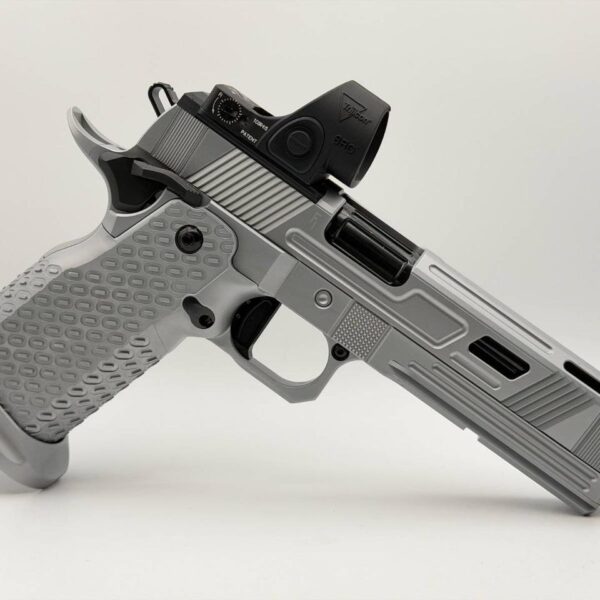
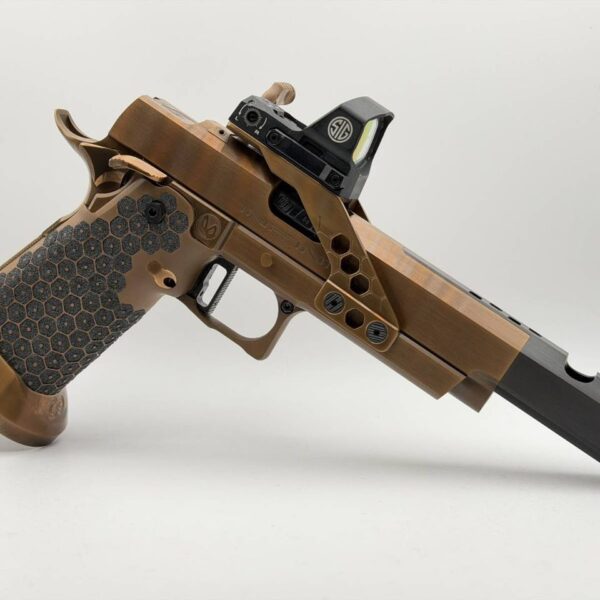
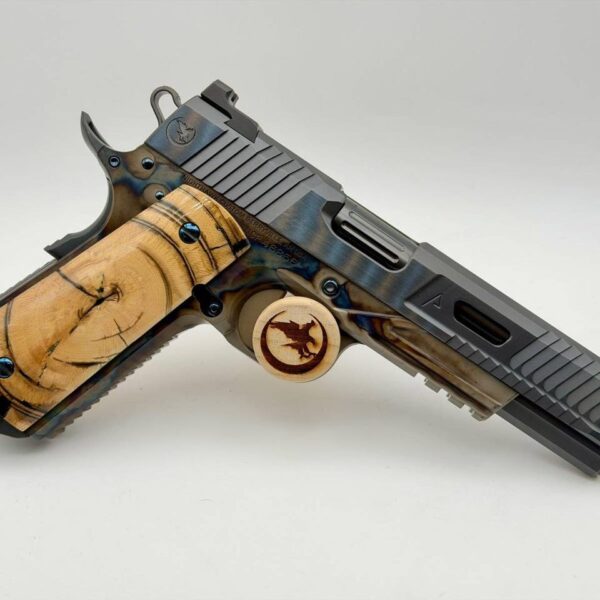
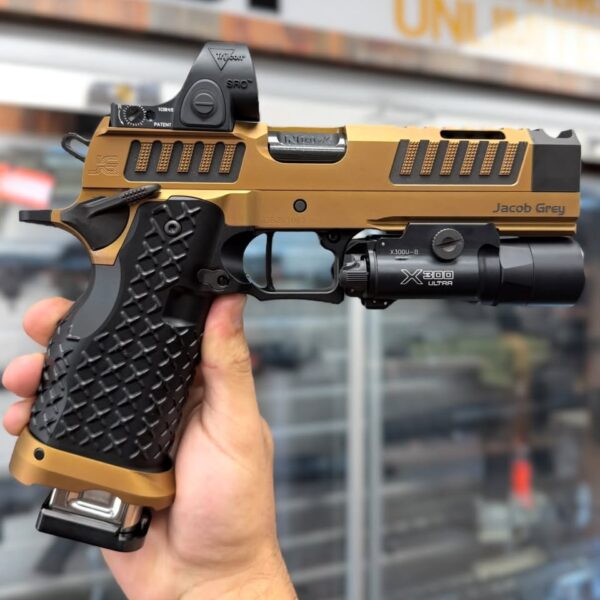
The slide houses or interfaces with several important components and forms a visually prominent part of the firearm. Custom configurations can feature different machining patterns, serrations, sight arrangements, or optics provisions.
Slide machining should be described according to the exact example. Photographs can show external cuts and patterns, but they cannot establish internal tolerances or manufacturing processes.
Similarly, an optics-ready configuration should not automatically be described as including an optic. A mounting provision and an installed optic are separate characteristics.
The slide’s finish should also be documented separately from its underlying material. Color or surface appearance alone does not establish a particular coating or treatment.
Barrel and Mechanical Interface
The barrel is another major component requiring precise documentation. Relevant characteristics can include length, material, chambering, finish, and porting arrangement.
Exact specifications should come from manufacturer documentation or reliable records for the individual firearm. They should not be estimated from photographs.
The relationship between the barrel and slide is also important to the overall configuration. However, claims about mechanical fit or accuracy should not be made without appropriate supporting evidence.
Custom machining can produce highly specialized components, but the existence of precision machining alone does not establish a particular performance level.
Controls and Ergonomics
Controls can include a trigger, manual safety, magazine release, slide stop, and other operating components. Their exact configuration can vary among 2011-style firearms and custom builds.
A product description should therefore identify the controls actually present on the firearm rather than assuming that every model uses the same arrangement.
Ergonomic characteristics should be handled in the same way. Control dimensions, grip texture, and positioning can be described objectively, while subjective claims about comfort or handling should be identified as individual impressions.
Sights and Optics
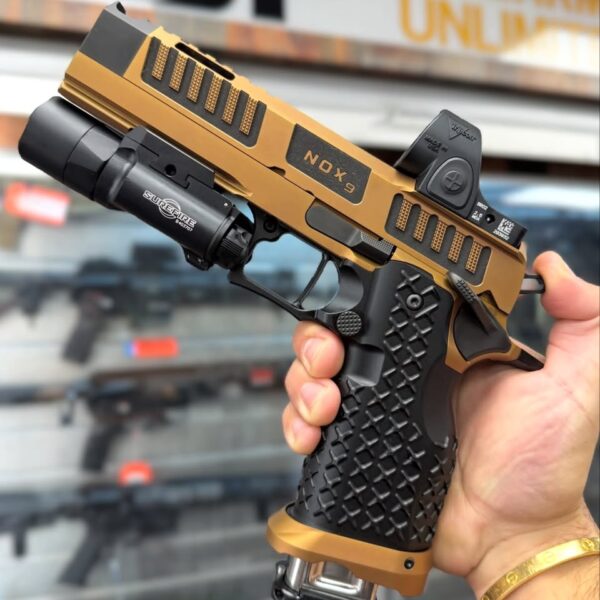
The sighting system can vary according to the configuration. Some examples may use conventional iron sights, while others may incorporate provisions for miniature red-dot optics.
A technical description should distinguish between an optics-ready slide and a firearm that actually includes an optic. Likewise, specific sight models or mounting patterns should only be listed when verified.
This approach prevents accessory specifications from being confused with standard equipment.
Finish and Appearance
Custom firearms can feature a variety of finishes. These may affect the visual appearance and, depending on the specific treatment, provide properties related to wear or corrosion resistance.
Nevertheless, a finish should be identified using reliable documentation. Similar appearances can result from different processes, so a particular coating should not be inferred from a photograph.
External machining can also contribute to the overall appearance. Serrations, slide cuts, grip patterns, and other details can be described as design characteristics without assigning unsupported performance benefits to them.
Customization and Individual Configuration
One of the defining characteristics of specialized 1911 and 2011-style firearms is the possibility of configuration changes. A firearm may contain factory components, custom-machined parts, and aftermarket accessories simultaneously.
Consequently, documentation should distinguish among these categories whenever possible.
A factory specification describes the original configuration. A custom-shop specification describes work performed during customization. An aftermarket component describes a part supplied by another manufacturer.
This separation becomes particularly useful when documenting used firearms because the current configuration may differ from the original factory specification.
Maintenance Considerations
Maintenance should follow the manufacturer’s instructions for the exact configuration. This is particularly important when a firearm contains custom components or a ported barrel.
Ported surfaces may receive additional residue from combustion gases. Inspection should therefore include attention to the areas surrounding the ports, using only procedures appropriate to the manufacturer’s design.
External metal surfaces should also be monitored for corrosion or unusual wear, particularly when the firearm is stored in a humid environment.
Mechanical concerns should be addressed by a qualified professional rather than through unverified modifications or generalized online advice.
Safety and Responsible Handling
Any technical description of a firearm should include appropriate safety context. The firearm should be handled only by individuals who are legally permitted and appropriately trained.
Manufacturer instructions should be followed for operation, inspection, maintenance, and storage. Local laws may impose additional requirements concerning possession, transportation, storage, transfer, and other activities.
Secure storage is particularly important because it helps prevent unauthorized access. Applicable local requirements should always be followed.
The ported configuration also makes adherence to manufacturer warnings important because hot gases and particles may be redirected through the barrel ports.
Specification Verification
Before publishing a detailed product listing, the following information should be verified for the exact Guncrafter Industries configuration: guncrafter industries 9mm double stack ported 2011 guncrafter industries 9mm double stack ported 2011 guncrafter industries 9mm double stack ported 2011 guncrafter industries 9mm double stack ported 2011 guncrafter industries 9mm double stack ported 2011 guncrafter industries 9mm double stack ported 2011 guncrafter industries 9mm double stack ported 2011 guncrafter industries 9mm double stack ported 2011 guncrafter industries 9mm double stack ported 2011.
-
Complete model designation
-
Caliber
-
Barrel length
-
Porting arrangement
-
Frame and grip material
-
Overall dimensions
-
Unloaded weight
-
Magazine specification
-
Sight configuration
-
Optics compatibility
-
Finish
-
Control configuration
-
Manufacturer and custom-builder information
Third-party listings can provide useful clues, but they should not automatically be treated as authoritative. Manufacturer documentation and records specific to the firearm should take precedence.
guncrafter industries 9mm double stack ported 2011
A Guncrafter Industries 9 mm double-stack ported 2011-style pistol represents a highly configurable category of firearm built around a modern interpretation of the 1911 platform. Its principal identifying characteristics are the 9 mm chambering, double-stack architecture, and ported configuration.
The exact characteristics, however, depend on the particular build. Barrel dimensions, grip construction, finish, sights, controls, magazine specifications, and other components should therefore be verified before being presented as definitive facts.
A strong technical description should distinguish the underlying platform from individual customization. It should also separate observable characteristics from claims about performance.
Finally, responsible documentation should place safety, appropriate maintenance, secure storage, qualified handling, and applicable legal requirements alongside the physical product information. This approach creates a clear and technically responsible reference without relying on unsupported promotional claims.
Manufacturing Context
The Guncrafter Industries name is associated with specialized 1911-pattern firearm work, making manufacturing context particularly relevant when documenting a double-stack configuration. A custom firearm can contain numerous individually produced components, and the final product may reflect both standardized platform characteristics and model-specific engineering.
Manufacturing information should nevertheless be presented carefully. Terms such as precision-machined, custom-built, or hand-fitted can describe particular processes, but they should not automatically be interpreted as measurable evidence of superior performance.
A technical description is strongest when it identifies the manufacturing characteristics that can be verified. If a particular component is machined from a specific material or receives a documented surface treatment, those details can be included. If the manufacturing process is not documented, the description should remain general.
This distinction is especially useful when comparing a custom configuration with a standard production firearm. Similar external appearances do not necessarily mean that the internal construction, tolerances, or manufacturing processes are identical.
Component-Level Documentation
A complete product description should treat the firearm as a collection of interconnected components. The frame, grip, slide, barrel, controls, sights, and magazine system each have their own specifications.
This approach makes it easier to identify differences between configurations. For example, two pistols can share the same general double-stack architecture while using different grip materials or sight systems.
Component-level documentation can also help explain why published specifications sometimes differ between sources. One source may describe a standard configuration, while another may describe a customized example.
Therefore, any detailed specification should be tied to the exact firearm or configuration being documented. This is particularly important for custom builds, where the current configuration may differ from the original factory arrangement.
Double-Stack Grip Geometry
The wider grip associated with double-stack architecture is one of the most visible differences between a modern double-stack pistol and a traditional single-stack 1911.
The grip must accommodate the wider magazine body, which changes the overall proportions of the firearm. Grip geometry can also influence the position of controls and the relationship between the user’s hand and the trigger.
Nevertheless, exact grip dimensions should be verified rather than estimated. Even relatively small differences in grip shape or construction can change the external profile.
Grip texture is another configuration-specific characteristic. A surface can be smooth, patterned, or aggressively textured, but the terminology used should correspond to the actual configuration.
Because ergonomics are subjective, the description should explain the physical design without making universal claims about comfort or handling.
Magazine System
The magazine system is an important component of a double-stack pistol. The double-stack arrangement allows cartridges to occupy multiple columns within the magazine body, although exact capacity depends on the magazine design.
Capacity should therefore be stated only when it has been verified for the particular configuration and applicable jurisdiction. Different magazines can have different capacities, and legal restrictions can also affect which magazines are available in a particular market.
A product description should distinguish between a firearm’s magazine compatibility and the capacity of a specific magazine supplied with it.
This distinction prevents readers from assuming that every magazine associated with the platform has identical dimensions or capacity.
guncrafter industries 9mm double stack ported 2011 guncrafter industries 9mm double stack ported 2011 guncrafter industries 9mm double stack ported 2011 guncrafter industries 9mm double stack ported 2011 guncrafter industries 9mm double stack ported 2011 guncrafter industries 9mm double stack ported 2011 guncrafter industries 9mm double stack ported 2011 guncrafter industries 9mm double stack ported 2011 guncrafter industries 9mm double stack ported 2011 guncrafter industries 9mm double stack ported 2011
Barrel Configuration and Porting
The ported barrel remains one of the most distinctive features of the described configuration. From a technical standpoint, porting modifies the barrel by incorporating openings through which combustion gases can escape.
The exact placement and geometry of these openings are important to the design. However, they should not be described as providing a guaranteed performance result without controlled evidence.
The practical behavior of a ported system depends on the firearm’s mass, barrel and slide design, ammunition, port geometry, and other variables. Therefore, statements about recoil or muzzle movement should be presented cautiously.
Porting can also affect cleaning requirements. Residue can accumulate around the openings, making manufacturer-recommended inspection and cleaning procedures particularly relevant.
Furthermore, hot gases and particles can exit through the ports. Users should therefore follow all applicable safety warnings and avoid assuming that a ported system behaves exactly like an unported configuration.
Slide Machining
Custom slide machining can provide a distinctive appearance and may incorporate functional interfaces such as sight cuts or optic mounting provisions.
External cuts can reduce or redistribute material in selected areas, but their exact purpose depends on the design. A technical description should identify the visible machining without assigning a performance benefit unless supporting evidence exists.
Slide serrations can also be described according to their location and physical form. However, claims about improved manipulation should be supported by testing or clearly identified as subjective observations.
The slide finish should be documented separately. A particular visual appearance does not establish the underlying coating or treatment.
Trigger and Control Configuration
The trigger and other controls form an important part of the user interface. Depending on the configuration, the firearm may have a particular trigger design, manual safety arrangement, magazine release, and slide stop.
Exact trigger characteristics should not be invented. Trigger pull weight, travel, reset, and other measurements require appropriate equipment and testing.
Likewise, the presence and location of controls should be confirmed for the individual firearm. Custom configurations can differ from common platform conventions.
For technical writing, it is sufficient to identify documented controls and explain their general role without providing operational instructions.
Optics and Sighting Configuration
Modern double-stack pistol configurations can accommodate different sighting arrangements. Conventional iron sights remain common, while some slides are designed to accept miniature red-dot optics.
The distinction between an optics-ready firearm and one supplied with an optic is important. An optics cut or mounting interface does not mean that an optic is included.
Similarly, a sight model should not be identified from photographs unless the marking or design is sufficiently clear and verified.
Sighting equipment can also influence overall dimensions and weight. Consequently, specifications should indicate whether they describe the base firearm or an equipped configuration.
Finish and Surface Characteristics
A custom firearm’s finish contributes substantially to its appearance. Depending on the configuration, components can feature different colors, textures, coatings, or polished surfaces.
Technical documentation should avoid guessing the specific finishing process. Several treatments can produce similar visual results, while a single process can produce different appearances depending on the material.
Where the manufacturer provides a technical description of the finish, that terminology should be preferred. Otherwise, a neutral description of the visible surface is safer and more accurate.
Maintenance requirements can also depend on the finish, particularly in environments where moisture or corrosive substances are present.
Custom Build History
A firearm’s history can be particularly important when documenting a customized example. The current configuration may represent a combination of original factory components and later modifications.
For example, the firearm may retain its original frame while receiving a different slide, barrel, grip, sight system, or finish. Each change can affect the final product description.
A useful record should therefore distinguish between the original configuration and subsequent work when that information is known.
This approach is valuable for both technical documentation and long-term identification. Future owners or researchers can understand how the current configuration relates to the original product.
Quality and Condition
Quality and condition should not be treated as identical concepts. A firearm can have a well-documented manufacturing specification while an individual example has experienced wear, modification, or damage.
Condition should therefore be assessed separately from model characteristics. For used firearms, photographs can help document visible condition, but a qualified professional may be required to assess mechanical condition.
Similarly, an attractive finish does not necessarily establish the condition of internal components. Conversely, visible cosmetic wear does not automatically establish a mechanical problem.
Technical descriptions should therefore avoid making broad condition claims unless the individual firearm has been appropriately inspected.
Storage and Environmental Considerations
Appropriate storage helps preserve the condition of a firearm and prevents unauthorized access. Storage requirements can vary according to local law and the manufacturer’s recommendations.
Environmental factors such as humidity, temperature changes, and exposure to corrosive substances can affect metal components over time.
A product description should therefore include general responsibility considerations without substituting for the manufacturer’s storage instructions or local regulations.
If a firearm has been stored for an extended period, appropriate inspection should be considered before further handling. Any suspected mechanical issue should be referred to a qualified professional.
Information Quality and Source Verification
Online information about specialized firearms can come from manufacturers, dealers, collectors, forums, auction listings, and social-media discussions. These sources do not necessarily have equal authority.
Manufacturer documentation should generally be preferred for specifications. Dealer listings can provide useful configuration information, while community discussions can offer historical context. However, neither should automatically override official specifications.
This hierarchy is particularly important when different sources provide conflicting barrel lengths, weights, capacities, or materials.
A professional product description should therefore record the source of important specifications and avoid presenting uncertain information as fact.
guncrafter industries 9mm double stack ported 2011 guncrafter industries 9mm double stack ported 2011 guncrafter industries 9mm double stack ported 2011 guncrafter industries 9mm double stack ported 2011 guncrafter industries 9mm double stack ported 2011 guncrafter industries 9mm double stack ported 2011 guncrafter industries 9mm double stack ported 2011 guncrafter industries 9mm double stack ported 2011 guncrafter industries 9mm double stack ported 2011 guncrafter industries 9mm double stack ported 2011
Final Technical Perspective
The Guncrafter Industries 9 mm double-stack ported 2011-style configuration can be understood through several interconnected characteristics: its double-stack architecture, 9 mm chambering, ported barrel arrangement, and specialized 1911-derived design.
Its exact identity, however, depends on the individual build. Custom machining, grip construction, slide configuration, barrel dimensions, sights, controls, finish, and magazine arrangement can all vary.
For that reason, the most useful description is one that separates general platform characteristics from verified configuration-specific specifications. It should also distinguish factory components from later customization whenever that history is available.
A responsible technical overview should ultimately prioritize clarity, accuracy, and traceability. By describing observable components, identifying verified specifications, and qualifying information that may vary, the resulting documentation becomes useful without relying on exaggerated performance claims.
The same principle applies to safety and ownership information. Appropriate training, secure storage, manufacturer guidance, professional inspection when necessary, and compliance with applicable laws remain essential considerations alongside the physical characteristics of the firearm.


Reviews
There are no reviews yet.