
Cabot Guns Rebellion 9mm Commander — Product Description
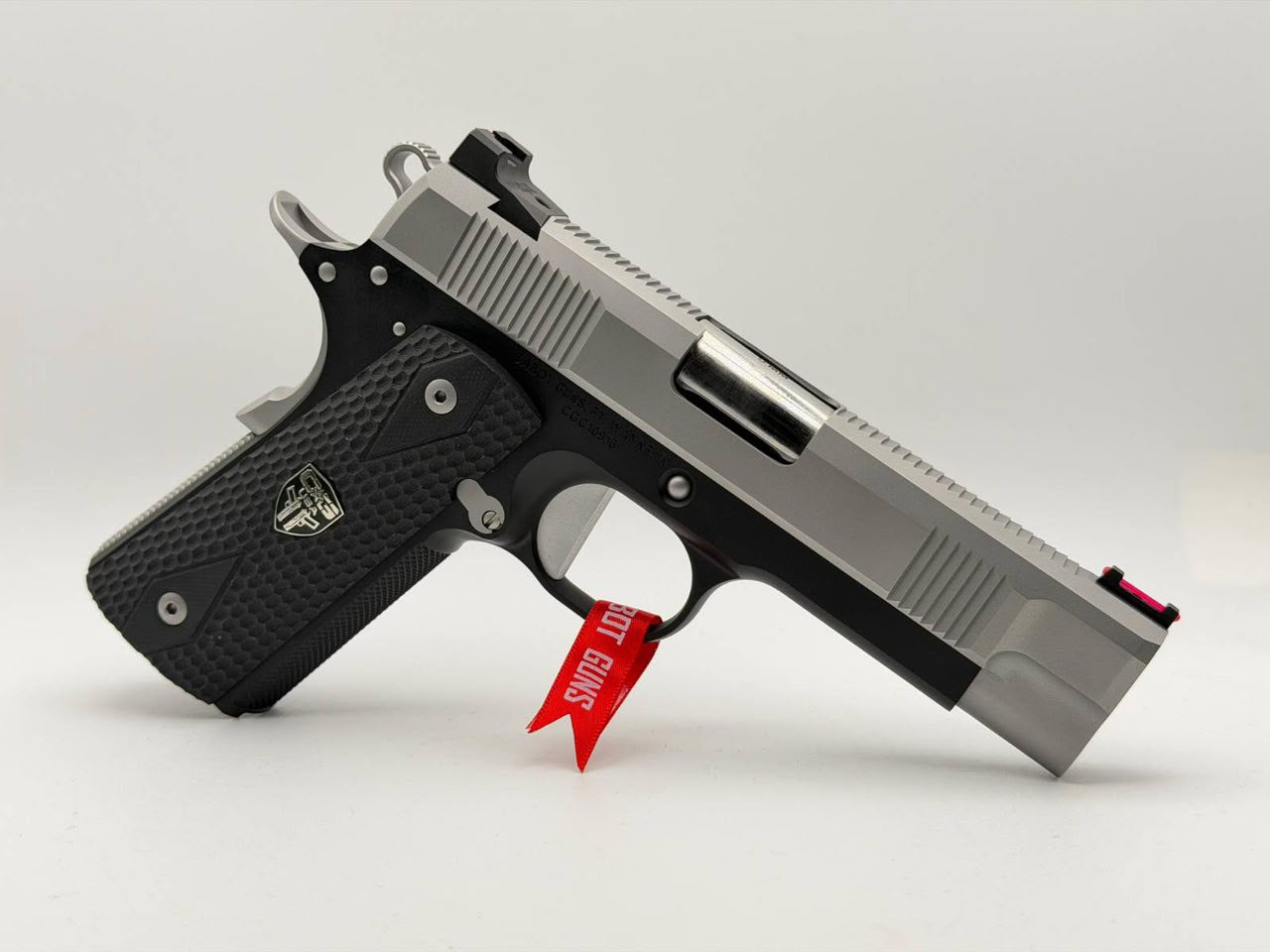
The cabot guns rebellion 9mm is a modern interpretation of the single-stack 1911 platform, developed specifically around the 9mm cartridge rather than simply adapting a traditional .45-caliber design. Publicly available specifications identify the Rebellion as a 4.25-inch, Commander-length pistol with an aluminum frame and stainless-steel slide and barrel.
The model occupies a distinctive place within Cabot Guns’ 1911 lineup because its design incorporates several departures from conventional 1911 construction. These include a single-lug bull-barrel arrangement, wave-cut slide rails, and a proprietary internal extractor. The result is a pistol that retains the recognizable operating concept and control layout of the 1911 while introducing a number of modern engineering features.
9mm Commander Configuration
The Rebellion is chambered in 9×19mm, a cartridge widely used in modern handguns. Unlike many traditional 1911 pistols that were originally associated with .45 ACP, the Rebellion was designed around 9mm from the beginning. Available specifications identify it as a single-action, single-stack pistol with a 4.25-inch barrel.
The 4.25-inch barrel places the pistol within the familiar Commander-size format. Compared with a traditional five-inch Government configuration, the shorter barrel and slide create a somewhat more compact overall package while retaining the general proportions and operating characteristics associated with a full-size 1911.
The Commander format also has historical significance within the 1911 family. The original Colt Commander was developed with a 4.25-inch barrel and an aluminum frame, making the combination of a shortened 1911 configuration and lightweight alloy construction well established in the broader history of the platform.
Aircraft-Grade Aluminum Frame
One of the Rebellion’s defining construction features is its lightweight aluminum frame. Available specifications describe the frame as aircraft-grade aluminum, while the slide and barrel are identified as stainless steel.
This material selection has an obvious effect on the pistol’s overall weight. Published specifications place the unloaded Rebellion at approximately 28.3 ounces.
The aluminum frame also gives the pistol a different character from an all-steel 1911. Reducing frame weight can make a Commander-sized handgun substantially lighter to carry, although weight is only one factor in how a firearm handles or feels during operation.
The exact material specification should nevertheless be confirmed against the documentation for an individual firearm. Cabot has offered custom configurations, and publicly documented examples show that some Rebellions have been ordered with alternative materials or modifications.
Stainless-Steel Slide and Barrel
The Rebellion combines its aluminum frame with a 416 stainless-steel billet slide, according to available specifications. The barrel is also identified as stainless steel.
This creates a combination of lightweight frame construction and more substantial steel components in the upper assembly. The slide houses the primary operating components, while the barrel provides the chamber and bore assembly.
Cabot’s use of precision-machined components is particularly relevant to the Rebellion because the pistol was developed around several mechanical changes to the conventional 1911 design. Rather than simply reducing the dimensions of an existing pistol, the company redesigned several areas around its 9mm configuration.
Single-Lug Bull Barrel
A particularly distinctive feature is the single-lug bull-barrel system. Conventional 1911 barrels normally use a more familiar locking arrangement with multiple locking lugs. The Rebellion instead incorporates a different barrel architecture.
Available descriptions identify the design as a single-lug bull barrel, while Cabot’s newer Rebellion MAX also continues this basic design philosophy with a single-lug bull barrel.
This feature is one reason the Rebellion should not simply be viewed as another conventional 9mm 1911. Its barrel and slide relationship forms part of a broader redesign intended to change how the pistol’s operating components interact during cycling.
Wave-Cut Rails
Another distinctive element is the full-cycle wave-cut rail system. The cuts are visually noticeable along the slide and form part of the pistol’s recognizable appearance.
These cuts are not merely decorative. They are associated with Cabot’s approach to reducing friction and modifying the relationship between the moving slide and frame. The design gives the Rebellion a substantially different appearance from a traditional 1911 with conventional straight slide rails.
The wave-cut treatment also contributes to the model’s visual identity. Rather than presenting a completely traditional 1911 exterior, the Rebellion uses machining patterns that immediately distinguish it from conventional Government and Commander pistols.
Proprietary Internal Extractor
The Rebellion uses a proprietary internal extractor, another departure from conventional 1911 architecture. Available specifications specifically identify the extractor as one of the model’s defining features.
The extractor is an important component of the pistol’s operating system because it engages the cartridge case during the cycling sequence. Cabot’s decision to develop its own extractor arrangement reflects the company’s broader attempt to engineer the Rebellion around its intended 9mm configuration.
As with any mechanical firearm component, however, reliability should not be assumed solely from the presence of a particular design feature. Reliability can be influenced by ammunition, magazines, maintenance, component condition, and the individual firearm.
Trigger and Controls
The Rebellion retains the fundamental single-action operating concept associated with the 1911. Available specifications identify a hammer-fired, single-action mechanism.
The model is also listed with a flat serrated trigger. This gives the trigger a contemporary appearance while retaining the familiar 1911 control arrangement.
The published trigger specification is approximately 3.8 pounds, although individual examples can vary and factory or custom configurations should be verified against their documentation.
The pistol also incorporates the familiar 1911 combination of a manual thumb safety and grip safety. These components should be understood through the manufacturer’s operating instructions rather than through a general product description.
Sight Configuration
The standard sight arrangement identified in available specifications consists of a fiber-optic front sight and ledge-style rear sight.
This arrangement preserves a conventional sighting system rather than making the Rebellion dependent on an electronic optic.
The fiber-optic front sight provides a highly visible aiming reference under appropriate lighting conditions. Meanwhile, the ledge-style rear sight provides a contrasting rear reference and contributes to the overall low-profile appearance of the slide.
Individual examples can differ, especially when custom work has been commissioned. Therefore, photographs and dealer descriptions should be checked against the actual configuration.
Grip and Ergonomics
The Rebellion uses a relatively slim single-stack frame, consistent with the traditional 1911 format. Available specifications identify G10 as the stock material.
G10 is a composite material commonly used for firearm grip panels because it can provide a firm, textured surface. On a lightweight aluminum-frame pistol, grip texture can also influence how the pistol feels during handling.
The model incorporates checkering and other textured surfaces as part of its exterior treatment. These details contribute to the tactile character of the pistol without changing the fundamental control arrangement of the 1911.
Dimensions and Weight
Published specifications give the Rebellion an overall length of approximately 7.76 inches, a height of approximately 5.51 inches, and a width of approximately 1.26 inches. The barrel is listed at 4.25 inches, with an unloaded weight of approximately 28.3 ounces.
These dimensions place the pistol firmly within the Commander-size category.
However, dimensions should be treated as configuration-specific information. Custom components, alternative finishes, grips, and other factory or aftermarket modifications can affect measurements or weight.
Magazine Configuration
The Rebellion is a single-stack design. Available specifications identify a detachable box magazine and list a 10-round magazine configuration.
Magazine capacity can be subject to regional legal restrictions, and the capacity supplied with a particular firearm may depend on the jurisdiction in which it is sold.
For that reason, a product listing should distinguish between the pistol’s mechanical magazine configuration and the capacity of the magazine supplied with a particular example.
Machining and Exterior Design
The Rebellion’s exterior is characterized by extensive machining. The wave-cut slide treatment, compact Commander proportions, bull-barrel arrangement, and carefully shaped controls give it an appearance that differs considerably from a basic production 1911.
Cabot Guns has historically positioned itself around high-end 1911 manufacturing, and the Rebellion continues that emphasis while introducing more contemporary mechanical features.
Consequently, the pistol can be viewed as a combination of established 1911 architecture and modernized engineering. Its appearance reflects that balance: familiar enough to be immediately recognizable as a 1911, yet distinctive enough to stand apart from traditional examples.
Production and Availability
The Rebellion appears in official and government-maintained handgun listings as a Cabot Guns 9mm model. For example, published handgun rosters identify the Cabot Guns Rebellion specifically in 9mm.
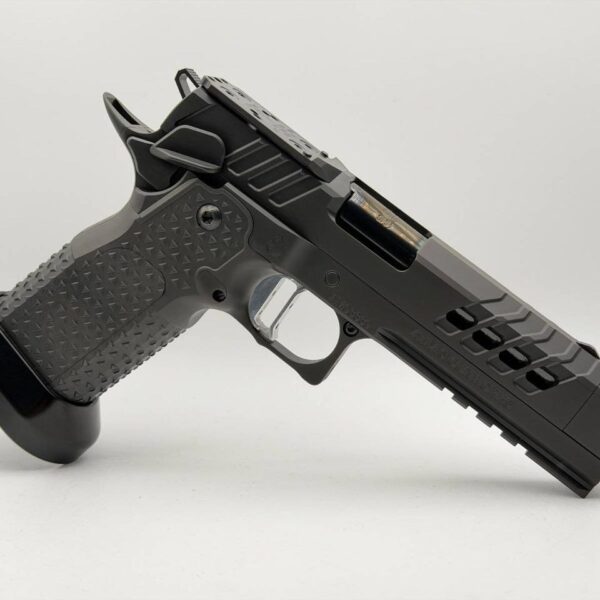
Available industry documentation also distinguishes the original single-stack Rebellion from the later Rebellion MAX. The Rebellion MAX is a separate double-stack 9mm model that uses 7075 aluminum components and a 4.25-inch barrel.
That distinction is important when cataloging or describing a firearm. A Rebellion and a Rebellion MAX should not be presented as the same model.
Customization
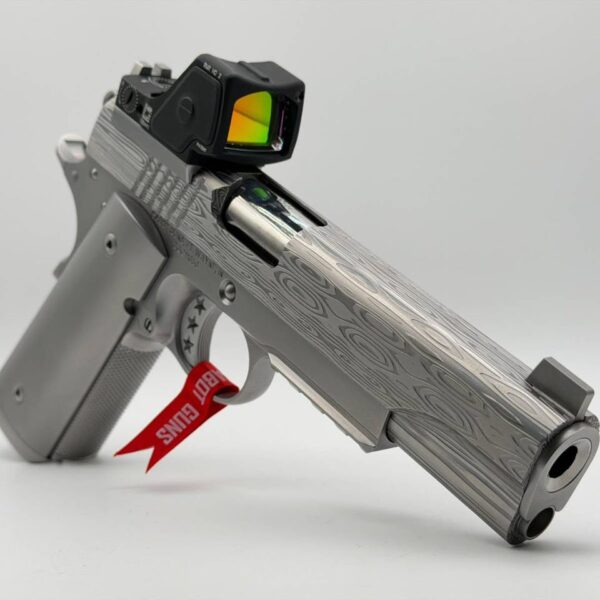
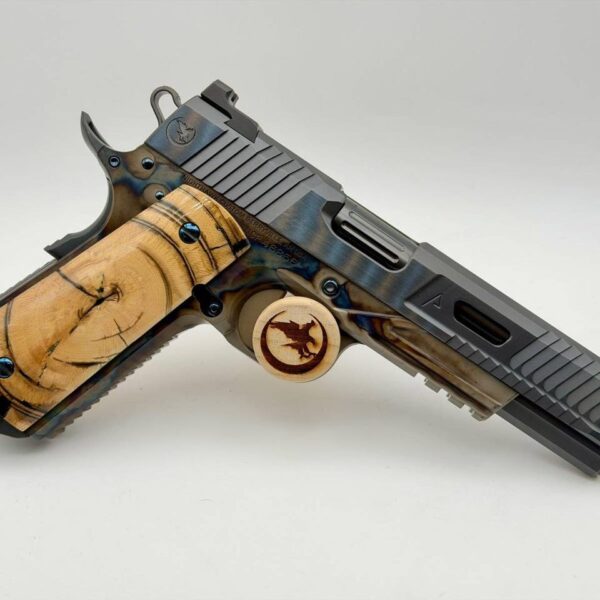
Cabot’s approach to manufacturing allows for considerable attention to individual configuration. Publicly documented examples demonstrate that owners have ordered custom variations, including changes to materials, barrel configuration, grips, and other components.
Therefore, the phrase “Cabot Rebellion” does not necessarily describe every detail of a particular example.
When documenting one firearm, it is useful to identify whether a feature was supplied by Cabot or installed later. This distinction is particularly important for collectors, because factory configuration and subsequent modification can affect provenance and identification.
cabot guns rebellion cabot guns rebellion cabot guns rebellion cabot guns rebellion cabot guns rebellion cabot guns rebellion cabot guns rebellion cabot guns rebellion cabot guns rebellion cabot guns rebellion cabot guns rebellion cabot guns rebellion cabot guns rebellion cabot guns rebellion cabot guns rebellion cabot guns rebellion cabot guns rebellion cabot guns rebellion cabot guns rebellion cabot guns rebellion.
Collector Considerations
The Rebellion occupies an unusual position within the 1911 market because it combines a recognizable historical platform with a comparatively modern engineering approach.
For collectors, documentation can therefore be particularly valuable. Factory paperwork, original packaging, configuration records, serial-number documentation where legally appropriate, and information about factory-installed options can help establish the identity of an individual example.
Condition should also be documented carefully. Finish wear, modifications, replacement parts, and changes to the sight system can all distinguish an original configuration from a modified firearm.
Safety and Maintenance
As with any firearm, the Rebellion should be handled according to the manufacturer’s safety instructions and applicable laws.
The owner’s manual should be the primary authority for loading, unloading, inspection, cleaning, lubrication, disassembly, and reassembly. Ammunition should be appropriate for the firearm’s marked chambering, and firearms should be stored securely so that unauthorized individuals cannot access them.
Maintenance requirements should also be considered when evaluating a lightweight, precision-machined pistol. The condition of the slide, barrel, extractor, magazines, sights, and other components should be checked according to manufacturer recommendations.
Any suspected mechanical problem should be evaluated by a qualified gunsmith or the manufacturer rather than addressed through improvised modification.
Rebellion 9mm Specification Summary
| Specification | Available information |
|---|---|
| Manufacturer | Cabot Guns |
| Model | Rebellion |
| Caliber | 9×19mm |
| Operating system | Single-action, short-recoil 1911 pattern |
| Configuration | Single-stack |
| Barrel length | 4.25 inches |
| Frame | Aircraft-grade aluminum |
| Slide | 416 stainless-steel billet |
| Barrel | Stainless steel |
| Approx. unloaded weight | 28.3 oz |
| Overall length | Approx. 7.76 in |
| Height | Approx. 5.51 in |
| Width | Approx. 1.26 in |
| Trigger | Flat serrated |
| Approx. listed trigger pull | 3.8 lb |
| Front sight | Fiber optic |
| Rear sight | Ledge style |
| Grip material | G10 |
| Safety system | Thumb safety and grip safety |
| Magazine type | Detachable box, single-stack |
| Published magazine configuration | 10 rounds |
These specifications are compiled from publicly available references and should be verified against the factory documentation for the specific firearm.
cabot guns rebellion
The Cabot Guns Rebellion 9mm Commander is a purpose-designed 9mm interpretation of the single-stack 1911. Its 4.25-inch Commander configuration, aluminum frame, stainless-steel slide, bull-barrel arrangement, wave-cut rails, proprietary extractor, and modern sight configuration distinguish it from conventional 1911 designs.
The model is particularly notable for the way it combines familiar 1911 controls and proportions with a number of mechanical changes. The result is not simply a shorter or lighter version of a conventional 1911; rather, it represents Cabot’s effort to redesign selected aspects of the platform around a modern 9mm configuration.
At the same time, individual examples should be evaluated on their own documentation and configuration. Cabot has accepted custom specifications, and the later Rebellion MAX represents a distinct double-stack development rather than a replacement description for the original Rebellion.
For catalog, reference, or informational purposes, the most accurate description is therefore one that identifies the Rebellion as a 4.25-inch, single-stack, 9mm 1911-pattern pistol with an aluminum frame and stainless-steel upper components, while clearly noting that individual factory and custom configurations may differ.
Engineering Approach
The Cabot Guns Rebellion 9mm Commander is notable because its design does not simply reproduce the conventional dimensions of a traditional 1911. Instead, the pistol incorporates several engineering changes intended to modernize the platform while retaining its fundamental operating concept.
The 1911 format has remained recognizable for more than a century, with its frame-mounted controls, single-action trigger system, tilting barrel, and manually operated safety forming the foundation of the design. The Rebellion preserves those familiar characteristics while using different approaches to the barrel, slide rails, extractor, and frame construction.
This combination gives the model a distinctive technical identity. In particular, the use of an aluminum frame separates it from many traditionally constructed steel-frame 1911 pistols. The shorter Commander-length configuration further distinguishes it from the classic five-inch Government format.
Aluminum and Stainless-Steel Construction
Material selection is one of the most important characteristics of the Rebellion. Its aluminum frame contributes to the relatively low published unloaded weight, while stainless-steel components are used for the slide and barrel.
The combination represents a balance between two different material characteristics. Aluminum offers lower density than steel, while stainless steel provides the substantial material properties required for the slide and barrel assemblies.
The published weight of approximately 28.3 ounces is consequently an important identifying characteristic of the model. Exact weight can vary, however, depending on configuration, grips, sights, magazine, and other installed components.
The use of an aluminum frame also means that maintenance practices should follow the manufacturer’s recommendations. Cleaning materials, lubricants, and tools should be appropriate for the specific finishes and materials used on the firearm.
Commander Proportions
The 4.25-inch barrel places the Rebellion within the Commander-size category. This is shorter than the traditional five-inch Government configuration while retaining substantially more of the familiar 1911 architecture than compact Officer-size designs.
Commander dimensions have become an established part of the 1911 family. The format offers a recognizable compromise between the traditional full-size silhouette and smaller 1911 variants.
The Rebellion’s proportions are further influenced by its bull-barrel design and wave-cut slide. Consequently, its external appearance differs from that of a conventional Commander even though the overall dimensions remain within the same general category.
Barrel System
The single-lug bull-barrel arrangement is among the most technically distinctive elements of the Rebellion. Conventional 1911 barrels use multiple locking lugs on the upper portion of the barrel. The Rebellion instead employs a different locking arrangement.
This change is significant because the barrel is central to the cycling relationship between the frame and slide. During operation, the barrel and slide must move through a controlled sequence, and the locking system determines how those components interact.
The bull-barrel profile also changes the visual appearance of the front portion of the slide. Rather than using the traditional barrel bushing arrangement found on many 1911s, the Rebellion uses its own barrel architecture.
For maintenance or disassembly, the manufacturer’s instructions should always be followed. The unusual design means that generic 1911 procedures should not automatically be assumed to apply to every component of the Rebellion.
Slide-Rail Design
The wave-cut slide rails provide another clear example of Cabot’s departure from conventional 1911 engineering.
Traditional 1911 slides and frames use comparatively straightforward linear bearing surfaces. The Rebellion’s wave-cut treatment introduces a more complex geometry to those surfaces.
The machining is also visually prominent. Along with the exterior cuts on the slide, it gives the pistol an immediately recognizable appearance.
Because these surfaces participate in the movement of the slide, their condition should be monitored as part of normal maintenance. Any unusual wear, damage, or mechanical irregularity should be evaluated by a qualified professional.
Internal Extractor
The proprietary internal extractor is another feature that differentiates the Rebellion from many conventional 1911 pistols.
Extraction is a fundamental part of the firearm’s operating cycle. After a cartridge has been fired, the extractor engages the cartridge case and assists in removing it from the chamber as the slide moves rearward.
Cabot’s proprietary design reflects the company’s decision to engineer specific components around the Rebellion rather than relying exclusively on conventional 1911 parts.
This is relevant when sourcing replacement components. Parts should not be assumed to be interchangeable simply because they are marketed as 1911 components. The manufacturer’s specifications should be consulted before replacing any component.
Sight System
The standard sight arrangement is another area where the Rebellion remains relatively traditional while incorporating modern details.
A fiber-optic front sight provides a visible aiming reference, while the rear sight uses a ledge-style design. Together, these components form a conventional non-electronic sighting arrangement.
The exact sight configuration should nevertheless be confirmed on an individual firearm. Factory specifications, dealer listings, and photographs may describe different configurations, particularly when custom orders are involved.
Grip Construction
The use of G10 grip material complements the aluminum frame and modernized appearance of the pistol.
G10 is a laminated composite material commonly used for firearm grips. Its surface can be machined into patterns that provide texture and a defined interface between the hand and the frame.
Grip configuration can vary, however. Custom grips are among the components that can be changed without altering the fundamental identity of the firearm.
For cataloging purposes, it is therefore useful to record the grip material and pattern when documenting a particular Rebellion.
cabot guns rebellion cabot guns rebellion cabot guns rebellion cabot guns rebellion cabot guns rebellion cabot guns rebellion cabot guns rebellion cabot guns rebellion cabot guns rebellion cabot guns rebellion cabot guns rebellion cabot guns rebellion cabot guns rebellion cabot guns rebellion cabot guns rebellion cabot guns rebellion cabot guns rebellion cabot guns rebellion cabot guns rebellion cabot guns rebellion cabot guns rebellion cabot guns rebellion cabot guns rebellion cabot guns rebellion cabot guns rebellion.
Finish and Visual Identity
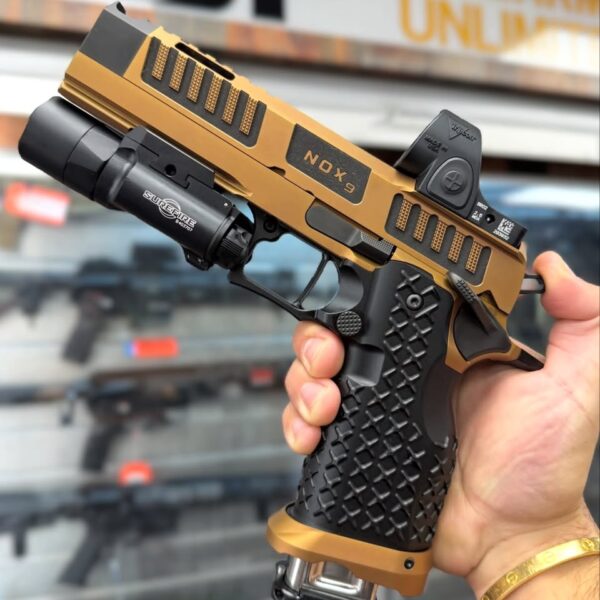
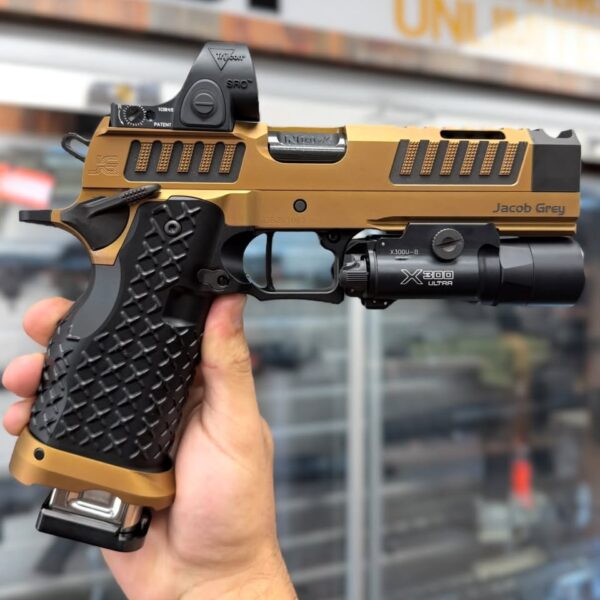
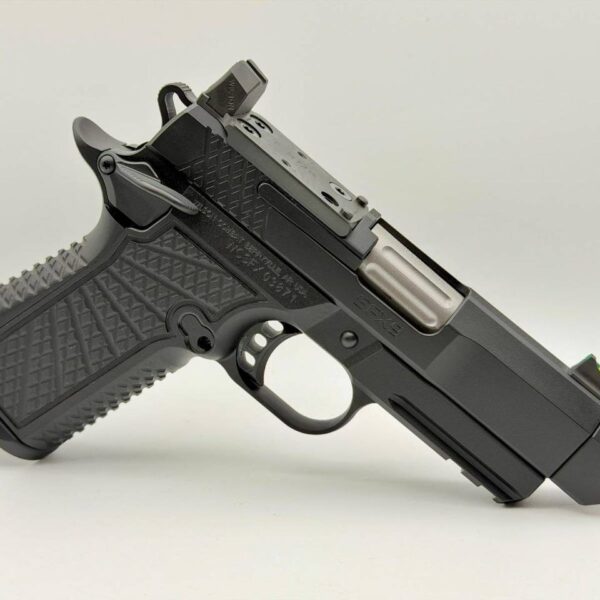
The Rebellion’s appearance is strongly influenced by its machining. The wave-cut slide, Commander-length proportions, modern sight configuration, and contrasting frame and upper components create an appearance that differs from a conventional 1911.
Cabot Guns’ broader product philosophy emphasizes detailed machining and premium presentation. The Rebellion extends that approach into a design that is more mechanically distinctive than a traditional 1911.
Finish details can nevertheless vary by production run or customer specification. Therefore, a description should avoid assuming that every Rebellion has exactly the same surface treatment.
Distinguishing the Rebellion from the Rebellion MAX
An important cataloging distinction is the difference between the original Rebellion and the later Rebellion MAX.
The original Rebellion is described as a single-stack 9mm Commander configuration. The Rebellion MAX, by contrast, is a double-stack development using a different frame arrangement and higher-capacity magazine system.
Industry coverage identifies the Rebellion MAX as having a 4.25-inch barrel and a 7075 aluminum frame, while retaining several design concepts associated with the original Rebellion.
These models should therefore be treated as separate products in a catalog or database.
Documentation and Identification
For a premium firearm, documentation can be nearly as important as the visible configuration when establishing a precise product identity.
A complete record can include the model designation, serial number where legally appropriate, original configuration, finish, factory-installed sights, grip material, barrel specification, magazines, case, manuals, and other supplied components.
Documentation is especially useful when the firearm has changed ownership. It can help distinguish original factory equipment from later modifications.
Likewise, photographs should ideally show the firearm from multiple angles while clearly identifying important configuration details. This is particularly helpful when a model has multiple factory options.
Condition Assessment
Condition should be described objectively rather than through broad claims such as “excellent” or “like new” without supporting details.
Relevant observations can include finish wear, scratches, dents, corrosion, evidence of modification, condition of grips, condition of sights, and visible wear on operating surfaces.
For a used firearm, maintenance history can also be relevant when documented. However, claims about internal condition should not be made without an appropriate inspection.
A professional inspection is preferable when the firearm’s mechanical condition is uncertain.
Product Classification
From a classification standpoint, the Rebellion can be described using several defining characteristics: Cabot Guns manufacture, 9mm chambering, Commander-length dimensions, single-stack configuration, aluminum frame, stainless-steel slide and barrel, and 1911-pattern single-action operation.
Those characteristics provide a useful foundation for catalog records, dealer databases, collector inventories, and reference material.
Additional descriptors should be added only when they have been verified for the specific example.
Responsible Ownership
The Rebellion is a firearm and should therefore be handled, transported, stored, and maintained in accordance with applicable law and manufacturer instructions.
A secure storage system should prevent unauthorized access. Transportation requirements vary by jurisdiction, and owners should verify the applicable rules before moving a firearm.
Likewise, safe handling principles should always be followed. The firearm should be treated as loaded until its condition has been personally verified, the muzzle should remain directed in a safe direction, and the trigger should remain untouched except when appropriate under established firearm-safety procedures.
The owner’s manual remains the appropriate source for detailed operational and maintenance instructions.
Summary
The Cabot Guns Rebellion 9mm Commander combines a recognizable 1911 foundation with several distinctive engineering choices. Its 4.25-inch Commander configuration, aluminum frame, stainless-steel upper components, bull-barrel system, wave-cut rails, proprietary extractor, G10 grips, and modern sight arrangement collectively define the model.
Its importance as a product is therefore found not in any single specification but in the integration of several design elements. The Rebellion maintains the familiar identity of a 1911 while departing from conventional construction in selected areas.
For accurate product identification, the exact firearm should always be examined individually. Factory documentation should be preferred where available, particularly when determining barrel specifications, finish, sights, grips, magazines, or other equipment.
The original Rebellion should also be distinguished from the Rebellion MAX, which represents a separate double-stack development within Cabot Guns’ Rebellion family.
Taken as a whole, the Rebellion 9mm Commander can be described as a lightweight, Commander-length, single-stack 1911 that incorporates modernized engineering into a familiar firearm architecture. Its aluminum-and-stainless construction, distinctive machining, and specialized component design give it a clearly identifiable place within Cabot Guns’ 1911 product range.


Reviews
There are no reviews yet.